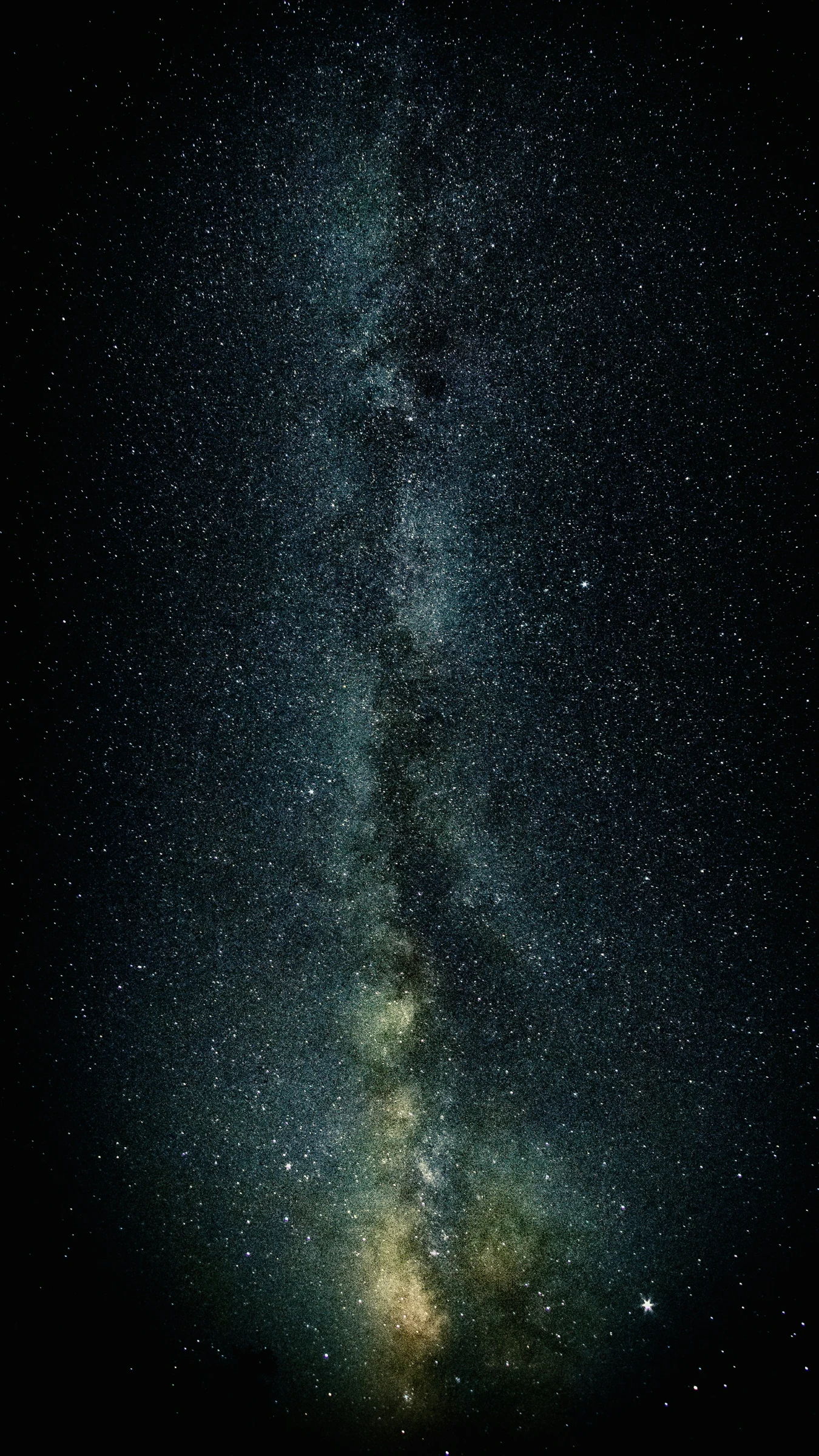
The best time to see the Milky Way in Yosemite is on a moonless night between July and October, when the Park Service says its bright core is easy to see with the naked eye. The best places are the park's open meadows and high viewpoints: Wawona Meadow close to our cabin, the meadows of Yosemite Valley, and Glacier Point when its road is open. Go about an hour and a half after sunset, give your eyes time to adjust, and look up.
The first time my husband Drew drove up to the Glacier Point area to see the stars, he went on his own. He came home and told me it was incredible up there, and it's still the place we point friends to first.
When is the best time to see the Milky Way in Yosemite?
Two things matter most: the season and the moon.
Season. According to the Park Service, the core of the Milky Way is easily visible on moonless nights from July through October. In October it sits low in the southwest once the sky is fully dark and sets through the evening, so plan to head out early rather than at midnight. From November into winter the bright core is out of view at night, but the sky stays full of stars, the fainter winter band of the Milky Way arcs overhead, and the long nights give you more dark hours to enjoy it.
Moon. Moonlight washes out the Milky Way, so aim for the days around a new moon, or go out before moonrise or after moonset. New moons this fall:
- Saturday, October 10, 2026: the last good chance this year for the Milky Way's core, and the dark nights that follow are still worth a trip
- Sunday, November 8, 2026: long, cold, dark nights for stars and constellations
- Tuesday, December 8, 2026: winter skies and the longest nights of the year
Moon phase dates are from Calendar-12, in Pacific time.
Time of night. The Park Service notes the sky is darkest from about 1.5 hours after sunset to 1.5 hours before sunrise.
Where to stargaze in Yosemite
Wawona Meadow
The Park Service lists Wawona Meadow as a stargazing spot in the southern part of the park, at a similar elevation to Yosemite Valley. It's a short drive from the cabin, wide open to the sky and wonderfully quiet once the day visitors have gone.
Glacier Point and Washburn Point
High above the Valley, with Half Dome in front of you, Glacier Point is the park's classic night sky viewpoint. Glacier Point Road is usually open from about late May to November and is about an hour's drive from Wawona. It's the spot Drew still talks about.
Yosemite Valley meadows
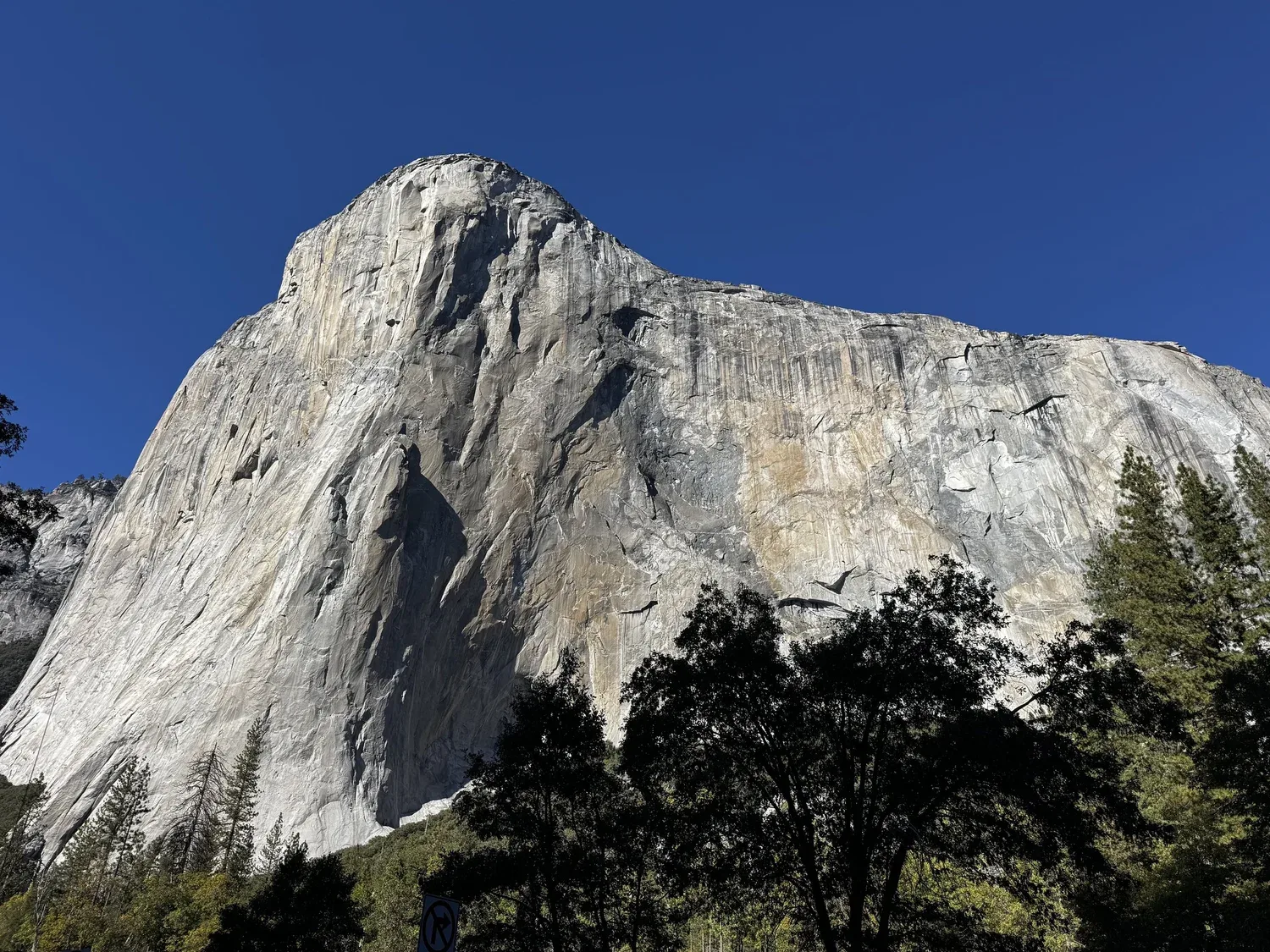
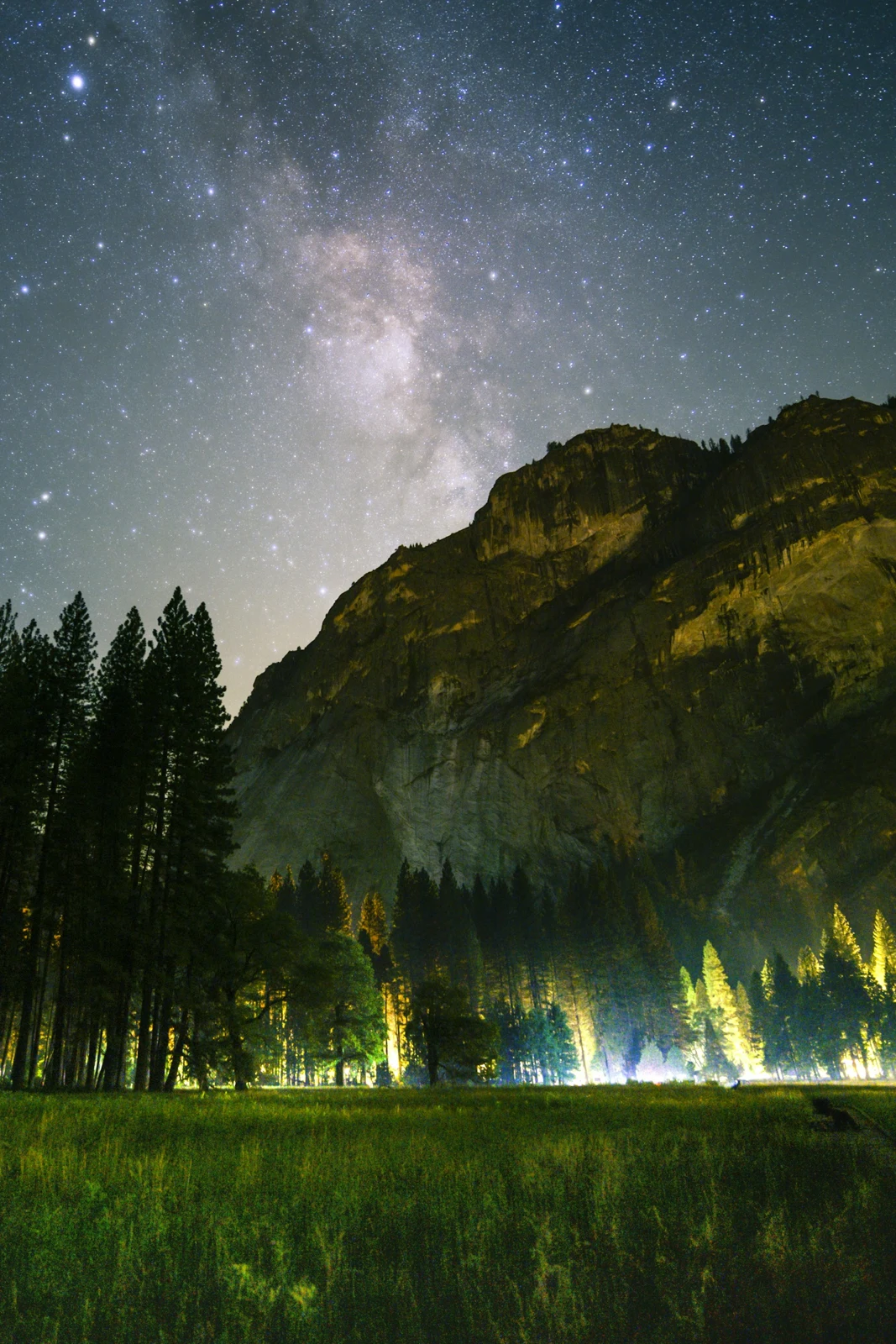
El Capitan Meadow, Cook's Meadow, the Swinging Bridge and Tunnel View are all Park Service picks for stars over granite. Car headlights and campfire haze can get in the way, so walk a little away from the road. In spring and fall you may also see something magical: tiny headlamps glowing on the face of El Capitan as climbers settle in for the night on the wall. Our Journal has more on El Capitan Meadow by day.
Tioga Road
Tenaya Lake and Olmsted Point are beautiful dark spots in summer and early fall. Tioga Road usually closes for the season in November, so check current conditions first.
Close to the cabin
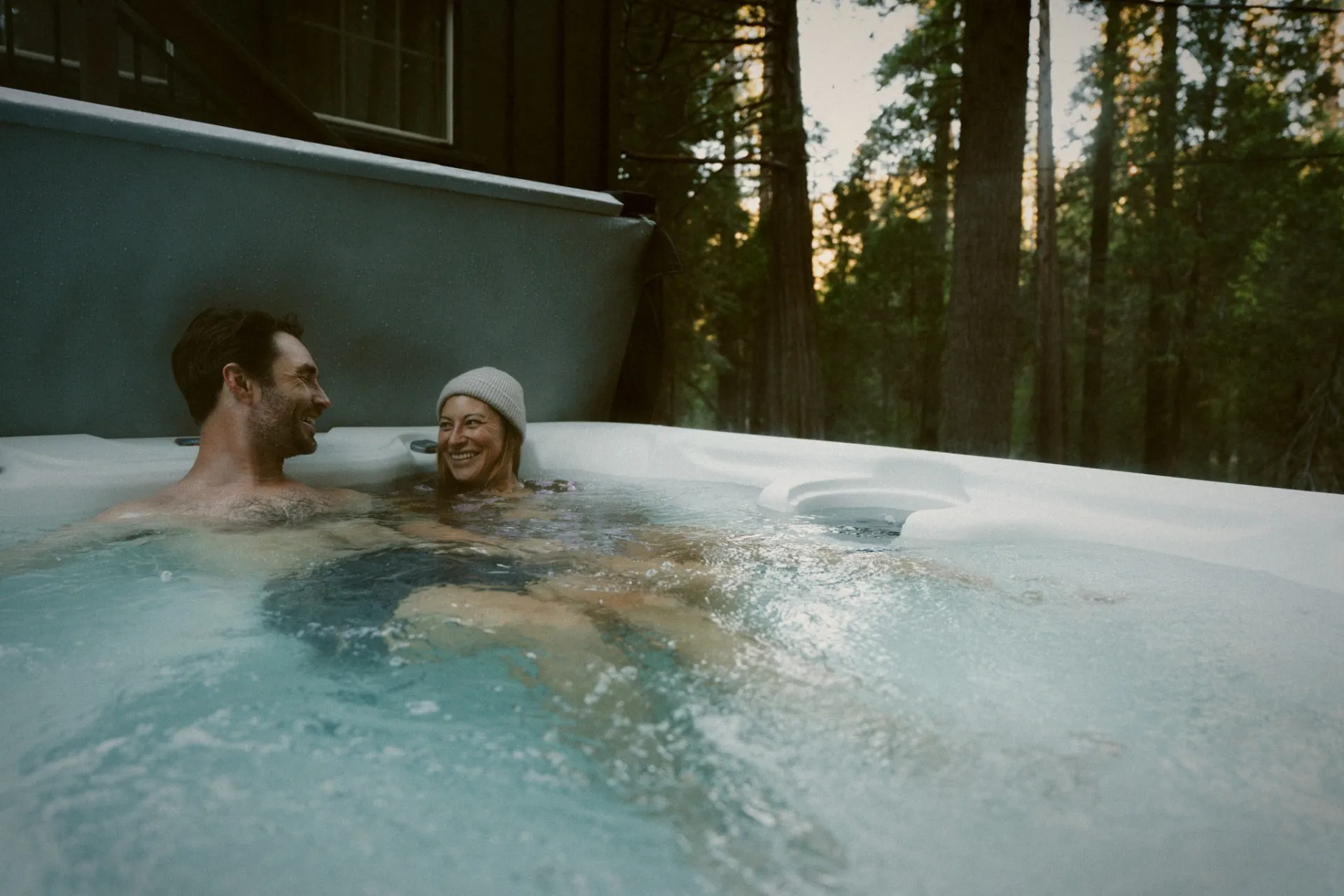
I'll be honest: stargazing right at the cabin is a little harder, because we're surrounded by tall pines. You'll catch stars between the branches from the deck and the hot tub, but for a big open sky, walk down the hill to the open meadow just below the house. It's our favorite easy spot, close enough that you can be back in the hot tub (kept at about 104°F) a few minutes later.
There's a lantern at the cabin to take along on your night walk. If you'd like it darker around the house, just ask and we can turn off the porch lights remotely during your stay (the motion floodlights stay on for safety).
Stargazing tips for your Yosemite trip
- Check the moon first. Plan your stargazing nights around the new moon, or go before moonrise and after moonset.
- Let your eyes adjust. Give yourself 20 to 30 minutes without white light, including your phone screen.
- Use a red light once you're there. The Park Service recommends red light only, because white light ruins night vision for you and everyone nearby. Use the cabin's lantern for the walk, then switch it off and let the stars take over.
- Bring something to sit on. The cabin doesn't have outdoor chairs or blankets, so pack a blanket or a couple of camp chairs if you'd like to settle in for a while.
- Dress for winter, even in fall. Nights in Wawona get cold quickly. Bring a warm jacket, a hat, snacks and water.
- Check smoke and weather. Clear skies matter as much as dark ones. With the Dome Fire still active, smoke can come and go, so look at current conditions that day.
- Plan where you'll sleep. The park is open 24 hours, but sleeping in your car or at a viewpoint isn't allowed. Staying inside the park means a short drive home instead of a long one.
- Be a good night neighbor. Keep voices low, keep food within arm's reach and pack out everything you bring.
A simple stargazing evening from Wawona
- Late afternoon: Walk down to the meadow below the cabin in daylight so you know the way before dark.
- Sunset: Dinner on the deck, with something warm to drink.
- About 1.5 hours after sunset: Grab the lantern and a blanket, walk down to the meadow, turn the light off and give your eyes time.
- Later: Back up the hill and into the hot tub under the pines.
Stay under the stars in Wawona
One of the quiet joys of staying inside the park is that the night is yours. When the day visitors drive out, Wawona grows still, the air turns cool and the sky fills in over the pines. If you'd like to spend a few of those nights with us, The Wildernest Yosemite is a three-bedroom cabin in Wawona, inside Yosemite National Park, with room for eight, a forest hot tub and a deck made for slow evenings. Booking direct on our site is the simplest way to stay, and we'd love to host you.
Frequently asked questions
What is the best month for stargazing in Yosemite?
For the Milky Way, July through October, on nights without much moonlight. That's when the Park Service says its bright core is easy to see. In winter the core is out of view at night, but the long, dark nights are still beautiful for stars.
Can you stargaze at Glacier Point?
Yes. Glacier Point is one of the park's classic stargazing spots, high above the Valley with Half Dome in front of you. The road is usually open from about late May to November, so check current conditions before you go.
Where can you stargaze near Wawona?
The Park Service lists Wawona Meadow as a stargazing spot, and it's a short drive from our cabin. Guests at The Wildernest can also walk down to the open meadow just below the house.
Can I sleep in my car after stargazing in Yosemite?
No. The park is open 24 hours, but sleeping is only allowed in designated campsites with a reservation or with a wilderness permit, so plan where you'll stay before you head out.